

Student protests have reemerged across several major Iranian universities as campuses marked the fortieth day after the January unrest, prompting renewed calls for accountability and the release of detained students. Gatherings were reported at Mashhad University of Medical Sciences, Sharif University of Technology, Amirkabir University of Technology, and Shahid Beheshti University in Tehran, reflecting continued unrest within Iran’s academic community.
According to the Telegram channel “United Students,” students at Mashhad University of Medical Sciences held a protest gathering on Saturday, February 21 inside the university campus, chanting slogans including “Freedom, Freedom” and “Student, raise your voice, shout your rights.” The demonstration was described as peaceful, but it unfolded within a broader climate of tension that has persisted since the January crackdown.
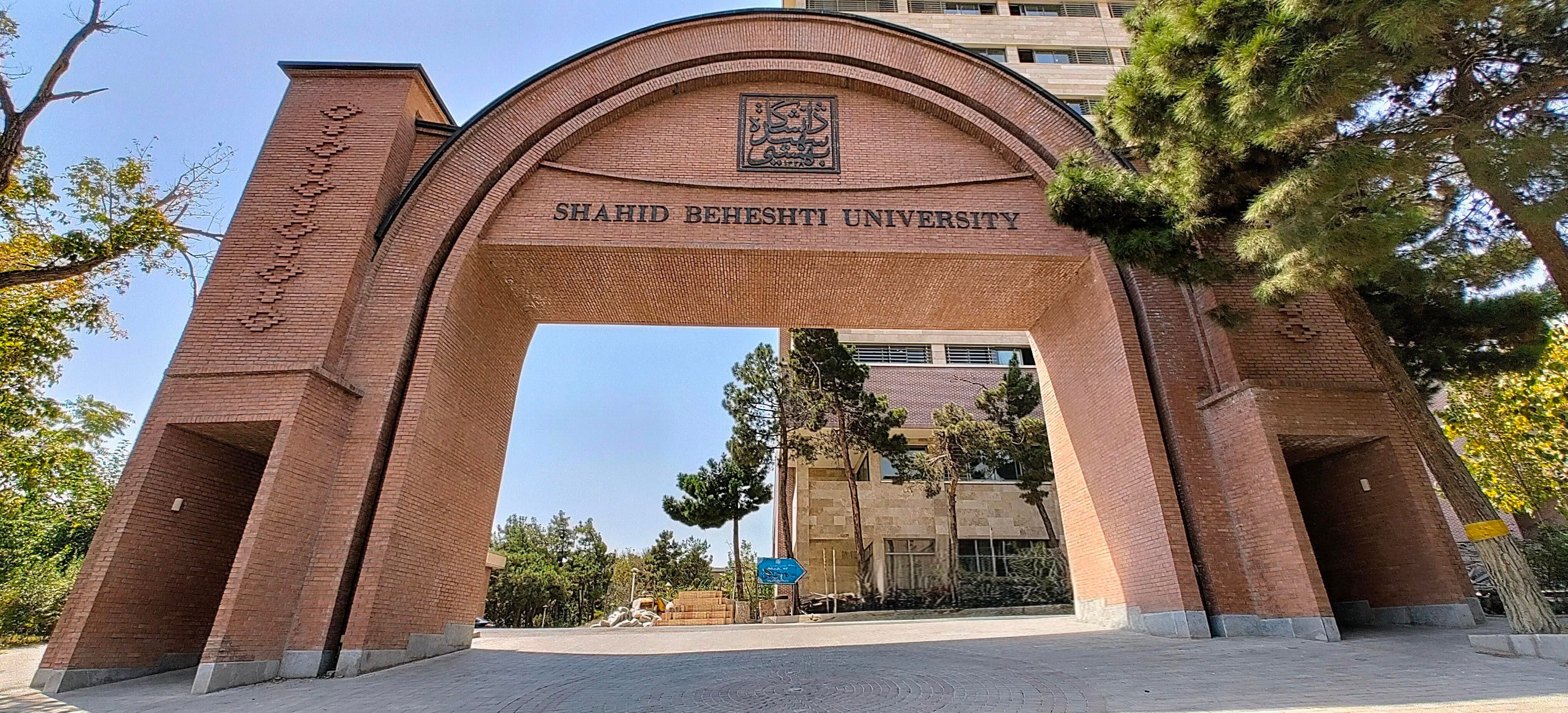
At the Faculty of Psychology and Educational Sciences at Shahid Beheshti University, students organized a sit-in in remembrance of those killed during the January protests and in solidarity with detained classmates. Participants lit candles in memory of Hadi Forough, a graduate of the university who was killed in the protests, and sang patriotic songs including “Ey Iran.” Students also called on university officials to actively pursue the release of two students who reportedly remain in detention.

Tensions were more pronounced at Sharif University of Technology, where reports indicate that a student gathering escalated into physical confrontation. The student outlet Amirkabir Newsletter reported that a protest held at noon was disrupted by members of the Basij student organization, resulting in clashes between opposing groups. Earlier, the Basij had reportedly called for a ceremony marking the fortieth day since the deaths of security services and government-linked individuals amid the protests. Protesters on campus chanted slogans including “Long Live the Shah,” “Death to the dictator,” and other anti-government messages, highlighting the sharp political polarization now visible within university spaces. Images and videos circulating online appear to show confrontations, though independent verification remains limited.
At Amirkabir University of Technology, students gathered on the first day of in-person reopening, reportedly wearing black clothing as a sign of mourning. According to student reports, the demonstration commemorated individuals killed during the January unrest, which took place on January 8–9.
These renewed campus protests coincide with the beginning of judicial proceedings against January detainees. Iran’s judiciary announced that the first court session for three protesters - identified as Ashkan Maleki, Mehrdad Mohammadinia, and Arman Marefati - was held at the Tehran Revolutionary Court. According to the judiciary-affiliated outlet Mizan, the defendants are accused of setting fire to Jafari Mosque and Imam Hadi Seminary in Tehran’s Kooy-e Nasr district, burning motorcycles, damaging public property, blocking streets, and acting “operationally” on behalf of hostile foreign actors. During the session, video footage from the night of January 8–9 was presented, and a member of the mosque’s board of trustees testified. Two of the defendants reportedly answered questions from the presiding judge.
Human rights organizations have repeatedly expressed concern about the handling of January protest cases, citing allegations of serious due process violations, coerced confessions, physical and psychological mistreatment, and restricted access to independently chosen legal counsel. These concerns echo broader patterns documented in previous protest cycles.
The convergence of renewed student activism and the opening of Revolutionary Court trials underscores the continued volatility in Iranian society following the January crackdown. University campuses - historically central to Iran’s reform and protest movements and political debates - once again appear to be focal points of dissent, remembrance, and political polarization. Whether these demonstrations remain symbolic acts of mourning and solidarity or evolve into a broader wave of mobilization may depend in part on how authorities respond in the coming days, particularly regarding detained students and ongoing prosecutions.