

Iranian travelers are beginning to bear the costs of Washington’s latest sanctions on the country’s aviation sector. One of Iran’s largest airlines is losing access to several important international destinations and domestic authorities are warning that ticket prices are already rising.
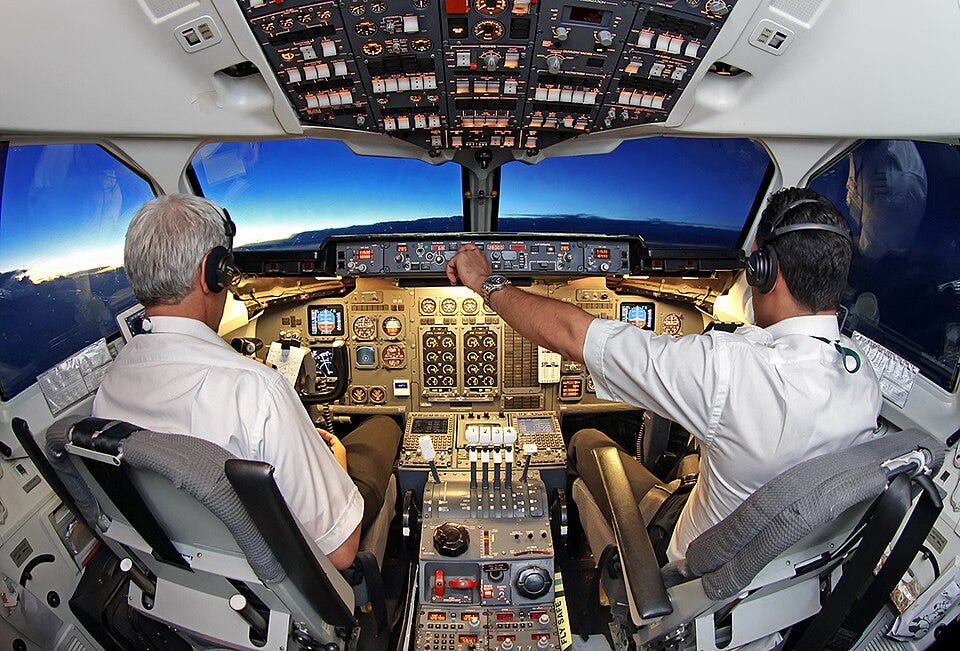

Mahan Air announced this week that it would suspend flights between Tehran and Muscat, Oman, beginning September 17, followed by its routes to Istanbul and Ankara, Turkey on September 21. Flights to Georgia are also set to stop on September 21. The airline attributed the suspensions to decisions by aviation authorities in those countries.
The cancellations come less than two weeks after the United States dramatically expanded sanctions on Iran’s aviation industry, designating all Iranian airlines under sanctions along with the foreign companies that provide them with cargo, sales, aircraft and logistical services. Key sanctions licensing that allowed for overflights of Iranian airspace and U.S. origin aircraft to fly into Iran have also been revoked. The effect is to increase the risks for companies outside Iran that provide the basic infrastructure Iranian airlines need to operate internationally.
The timing is particularly significant in Turkey. On September 8, the U.S. Treasury Department sanctioned two Turkish companies it said had provided services to Mahan Air. S Sistem Lojistik Hizmetler was accused of coordinating shipments including drone components and industrial equipment destined for Iran, while Mes Cargo was identified as a general sales agent that coordinated shipments for Mahan. Treasury also targeted companies and intermediaries in several other countries as part of what it calls “Operation Economic Outcast.”
Mahan itself has been under U.S. sanctions since 2011. Washington accuses the airline of providing transportation and logistical support to the Islamic Revolutionary Guard Corps and its Quds Force, including the movement of personnel, weapons and military equipment. But Mahan is also a major civilian carrier used by ordinary Iranians for domestic and international travel.
That dual role exposes a central problem with Washington’s escalating aviation sanctions: measures justified as a way to disrupt Iranian security logistics are also restricting the civilian infrastructure on which millions of Iranians depend.
The latest measures are significantly more consequential than simply adding another Iranian airline to a sanctions list. By targeting foreign companies that sell tickets, handle cargo, provide aircraft or otherwise enable Iranian carriers to operate abroad, Washington can make international passenger service into and out of Iran significantly more difficult to sustain.
And this pressure is being applied while Iran is already at war and its civilian aviation system is under extraordinary strain. Foreign carriers including Turkish Airlines and flydubai have stopped serving Iran amid the security risks created by the war, while European aviation authorities continue to advise operators against entering Iranian airspace. Iran’s own carriers, meanwhile, struggle with an aging fleet, shortages of spare parts and decades of sanctions restricting access to aircraft and aviation equipment. According to data from aviation analytics company Cirium cited by the Financial Times, roughly one-third of flights scheduled to operate in Iran on a recent day were cancelled or did not operate. Iran Air, the country’s flag carrier, reportedly has only nine operational aircraft.
The loss of connections to Turkey and Oman are particularly important. Istanbul and Gulf hubs are gateways for Iranians traveling onward to Europe and North America. These routes connect families separated across borders and are used by students, business travelers and people seeking medical treatment abroad. When those connections disappear, the consequences are straightforward: fewer seats, more complicated itineraries and greater costs for travelers.
Signs of that pressure are already appearing inside Iran. Following Mahan’s announcement, Iran’s Civil Aviation Organization warned airlines, travel agencies and charter operators against sharply increasing ticket prices for routes to Turkey and Oman. The agency said it had received reports of significant price increases and threatened violators with penalties, including temporary suspension of their flight allocations on those routes.
Price controls, however, cannot replace lost flight capacity. If sanctions make it increasingly risky for airports, service providers and other foreign companies to work with Iranian airlines, Tehran has limited ability to prevent the resulting contraction in international travel.
The Trump administration says the sanctions are aimed at preventing Iran from using civilian aviation networks to support military activities. The Treasury Department says Iranian aviation has been used to transport weapons, personnel and sensitive technology, and its latest measures specifically identified foreign companies it says helped move drone components and other equipment.
But the civilian consequences of the policy are increasingly difficult to separate from its stated military objectives. Ground handling, ticket sales, aircraft maintenance, financial services and access to foreign airports are not primarily military functions. They are also the infrastructure that allows an Iranian student to reach a university abroad, a family to visit relatives in another country, or a patient to travel for medical care. Sanctioning that infrastructure inevitably creates costs far beyond the Iranian government and military.
This has long been one of the most consequential features of sanctions on Iranian aviation. Restrictions on aircraft purchases, financing and access to parts have contributed to the isolation of a civilian aviation system already struggling to maintain an aging fleet. Although U.S. regulations have provided mechanisms for licensing some transactions related to civil aviation safety in the past, the broader sanctions environment has repeatedly made legitimate commercial activity involving Iran difficult and risky.
A disturbing video on Tuesday showed a Sepehran Airlines flight from Mashhad to Kermanshah experiencing a mid-air emergency, with portions of the cabin buckling. Thankfully, the airline was able to make an emergency landing and all passengers were ultimately safe, but it underscored the risk to ordinary civilians of unsafe air travel. As sanctions escalate, more emergencies - potentially fatal ones - could become increasingly difficult to avoid.
The consequences could also extend beyond passenger travel. Medical goods are roughly seven times more dependent on aviation linkages than Iranian imports overall, according to Esfandyar Batmanghelidj of the Bourse & Bazaar Foundation, making medical supply chains particularly vulnerable to further disruption.
That vulnerability is already being felt inside Iran. Patients contacted by Iran Unfiltered say they have been unable to obtain influenza vaccines as flu season approaches. Further restrictions on aviation and air cargo could therefore affect not only Iranians trying to travel for medical treatment, but also access to time-sensitive medicines, vaccines and other medical supplies inside the country.
Mahan Air still operates international routes, including connections to Russia and China, and other Iranian airlines continue flying to some regional destinations. Iran has not been cut off from all international air travel yet. But the developments of the past week illustrate how isolation can deepen incrementally: one service provider, one airport and one route at a time.
That matters particularly in the context of the current war. Washington is simultaneously applying military and economic pressure against Iran, while ordinary Iranians are living with the consequences of both. Air travel provides a particularly visible example of how economic measures aimed at weakening Iran’s capabilities can reach far beyond government institutions.
Less than two weeks after the latest aviation sanctions were announced, the civilian consequences are already becoming visible: Iran has fewer international connections, passengers are facing pressure on ticket prices, and one of the country’s largest civilian carriers is losing access to neighboring destinations that serve as crucial gateways to the rest of the world.
For Iranian travelers, this is not an abstract debate about sanctions architecture. It means fewer ways to leave the country, higher costs for staying connected to family and the outside world, and another aspect of everyday life being squeezed by a confrontation they have no ability to control.