

The NIAC Capitol Insider is a digest tracking the latest from Congress on Iran-related policy developments, legislation, votes and more. This resource is designed to give our community a clearer, more comprehensive understanding of how Congress is approaching Iran policy by breaking down votes, providing policy analysis, and updating on key congressional actions.
Treasury Secretary Scott Bessent Testifies in Congress
House Passes Another War Powers Resolution, Senate Falls One Vote Short
Massie Moves to Impeach “War” Secretary Hegseth, Prompting Mike Johnson to Adjourn Until November
Senators Call for Investigation into Kuhestak Wedding Strike
Rep. Khanna Introduces “Illegal War Refund Act”
Lindsey Graham Sanctions Bill Passes Both Chambers, Signed into Law by Trump
The past several weeks have brought a flurry of activity on Capitol Hill as the war with Iran has entered a new phase and as Congress returned from August recess. Members of Congress have attempted more war powers votes, demanded answers about the latest civilian casualties in Iran, pushed back on the administration’s expanding economic campaign, debated the costs of the war, and advanced sanctions measures. But major questions remain over the Trump administration’s authority to continue the war, the impact of increasing economic pressure on Iranians and Iranian Americans, and the remaining prospects for diplomacy. Here’s what happened on Capitol Hill.
Treasury Secretary Scott Bessent Testifies in Congress
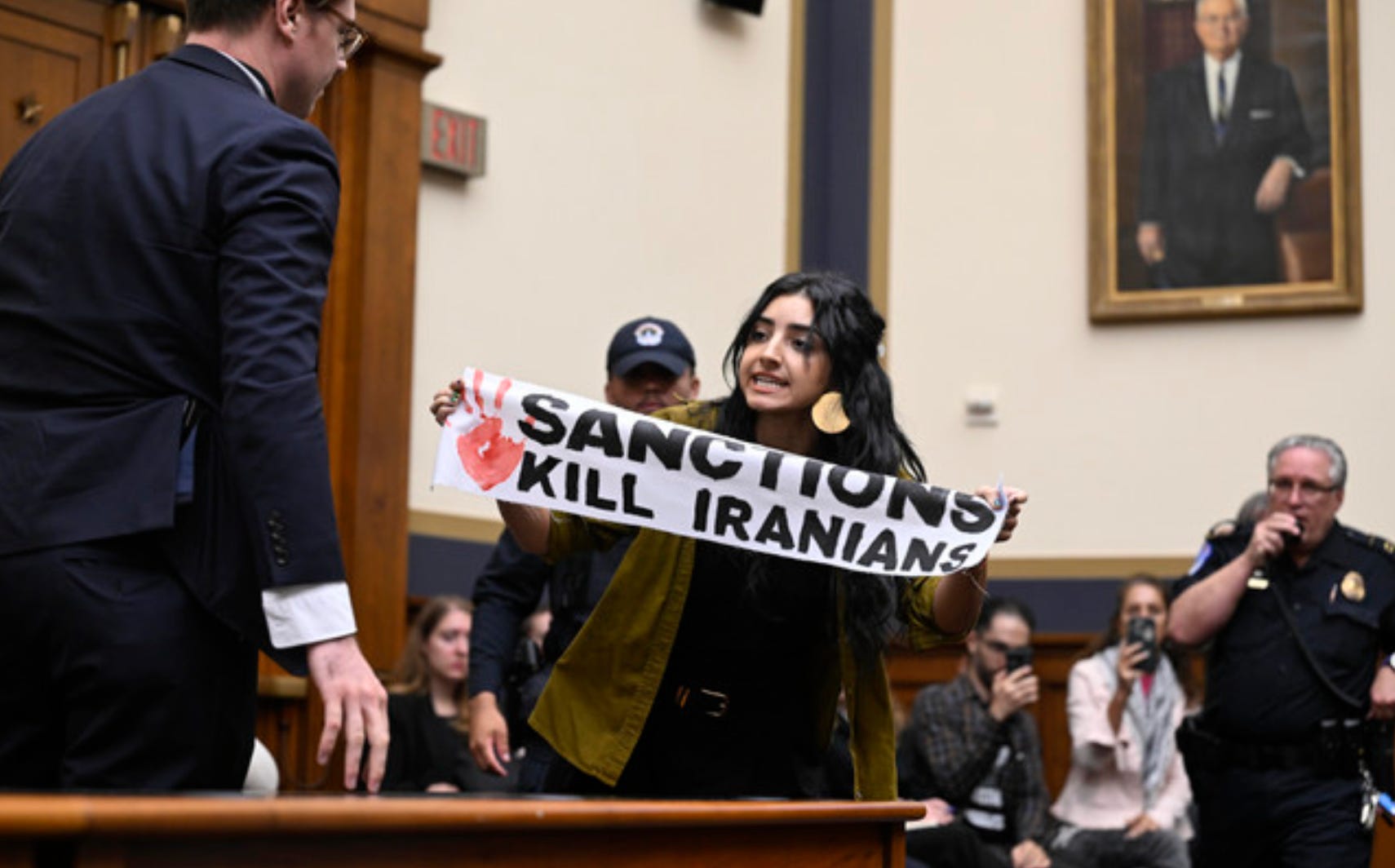
Treasury Secretary Scott Bessent testified before the House Financial Services Committee on September 15 on the state of the international financial system, with members questioning him on the administration’s escalating sanctions campaign against Iran and its broader economic effects.
Rep. Sylvia Garcia (D-TX) questioned Bessent about Treasury’s recent suspension of General License G, which had authorized institutions to engage in academic and educational services with Iranians. Garcia raised the case of an Iranian-American constituent who was unable to take the LSAT after the license was suspended. She explained the impact of the policy on people in the United States seeking educational and professional opportunities and directly asked Bessent: “do you truly think this is going to affect the war, or is this just another xenophobic policy from this administration aimed at disenfranchising religious minorities and immigrants in this country?”
Bessent responded: “Congresswoman, do you actually believe that taking the SAT [sic] will empower people who are being starved by their regime as that regime gives billions to proxies instead of giving that money to its people?” Notably, Bessent did not seem to understand that the impact extended not to Iranians, but Americans being wrongly barred from academic testing from overly-broad sanctions. Garcia emphasized that the policy “only hurts and discriminates against anyone with Iranian heritage, including Iranian Americans.”
Rep. Josh Gottheimer (D-NJ) separately encouraged Bessent to escalate the administration’s enforcement of September 8 sanctions targeting Iran’s civilian aviation sector. Gottheimer noted that some of the companies facilitating Iran’s aviation network are based in third countries, including Turkey, the UAE, Kazakhstan, and Malaysia, and asked whether the Treasury Department would impose stronger penalties on those facilitators and pressure their governments to cut off the networks supporting Iranian airlines. Bessent said the administration’s new aviation sanctions authority would be “very vigorously” enforced and that penalties against facilitators would begin taking effect September 23.
As NIAC argued, it is disturbing that Rep. Gottheimer was pushing to sanction firms that help keep Iranian planes “in the air.” The same day Gottheimer was pressing for more sanctions, an Iranian airplane was forced to make an emergency landing, with video showing terrified civilians fearing for their lives.
The exchanges came days after Treasury announced sanctions on 36 entities tied to Iran’s aviation sector, including Iranian airlines as well as foreign companies accused of supporting Mahan Air and other aviation networks. Treasury also suspended three Iran-related aviation authorizations, including those covering certain overflights and flights by non-U.S. airlines using U.S.-origin or U.S.-controlled commercial aircraft.
House Passes Another War Powers Resolution, Senate Falls One Vote Short
The House and Senate have continued holding votes on Iran war powers resolutions mandating the President end the war on Iran. For the first time in history this past June, each chamber passed a concurrent war powers resolution (H.Con.Res.86) that lawmakers assert requires the President to end the war. But the White House has ignored the resolution based on its own legal interpretation that such measures are not binding. In response, House Foreign Affairs Committee Ranking Member Greg Meeks introduced H.Res. 1456, which would force Speaker of the House Mike Johnson (R-LA) to resolve the legal dispute by suing the President to enforce the Iran war powers resolution.
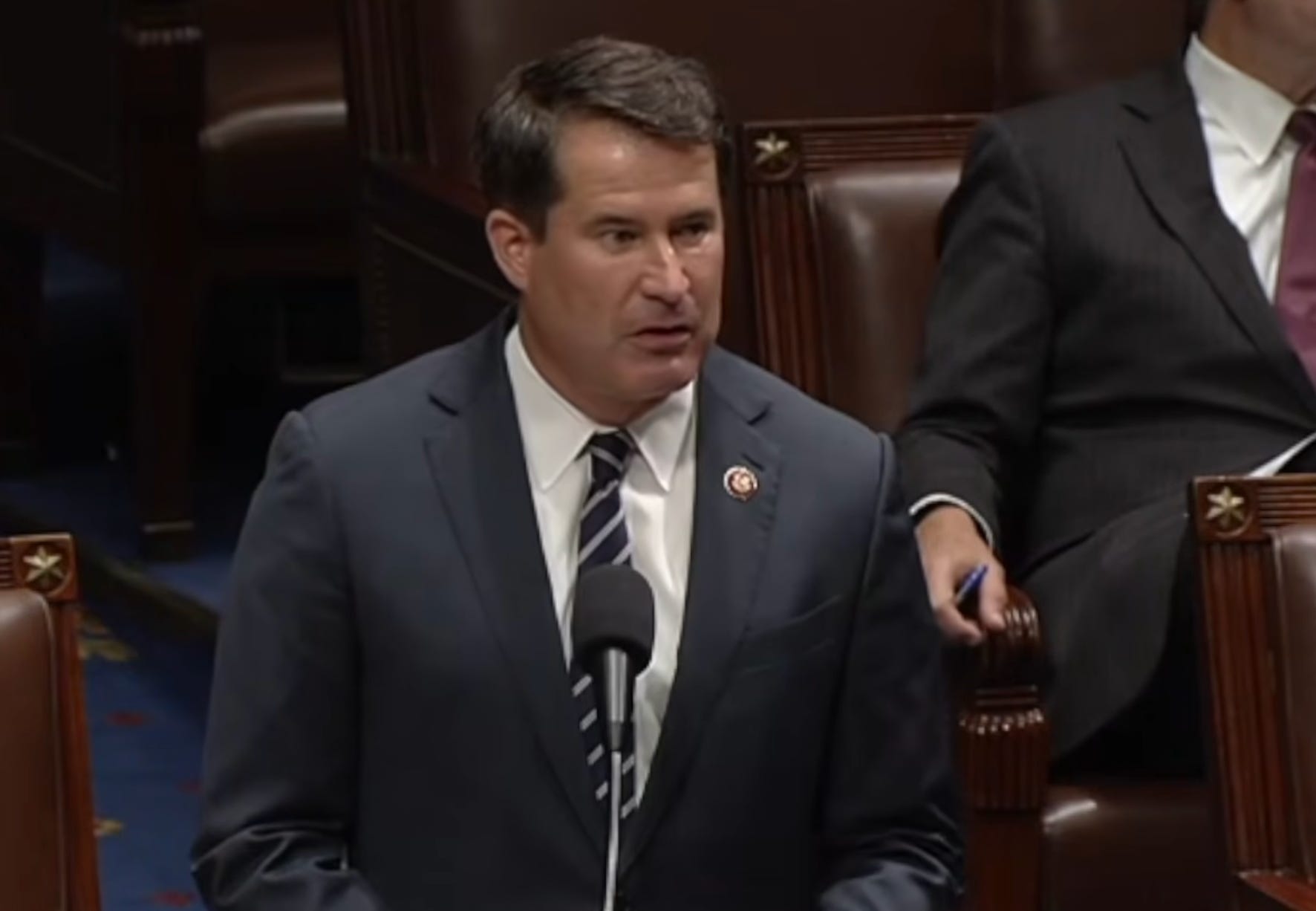
On September 15, the House passed another war powers resolution, Rep. Seth Moulton’s (D-MA) H.Con.Res. 93, by a 220-204 margin directing the President to remove U.S. forces from hostilities with Iran. The Yes votes included seven Republicans: Reps. Tom Barrett (R-MI), Warren Davidson (R-OH), Brian Fitzpatrick (R-PA), Thomas Massie (R-KY), Nancy Mace (R-SC), Mariannette Miller-Meeks (R-IA), and Zach Nunn (R-IA). Four of those Republicans – Barrett, Davidson, Fitzpatrick, and Massie – had supported previous war powers resolutions, while Mace, Miller-Meeks, and Nunn were new Republican supporters. It represents a new high water mark for the resolution.
On September 24, the Senate voted on H.Con.Res. 89, a war powers resolution introduced by Rep. Pramila Jayapal (D-WA) that previously passed the House 214-208 on July 23. The Senate rejected the resolution 49-50. The vote had been expected to come down to a 50-50 split, but Sen. Angela Alsobrooks (D-MD) was absent while dealing with a family matter. Had she been present and voted in favor, the Senate would have likely reached a 50-50 tie, which would have forced Vice President JD Vance to cast the tie-breaking vote.
Four Republicans – Sens. Rand Paul (R-KY), Susan Collins (R-ME), Lisa Murkowski (R-AK), and Thom Tillis (R-NC) – voted for the resolution. Sen. Bill Cassidy (R-LA), however, voted against it despite having previously supported Iran war powers measures earlier this year. Cassidy lost his Republican primary in May after Trump opposed his reelection, leading Cassidy to vote in support of an Iran war powers resolution days later. Following that vote, however, Cassidy was criticized by the President in a closed door lunch and has voted against subsequent Iran war powers resolutions ever since.
With the House now having passed H.Con.Res. 93, the Senate will likely vote on that resolution as well - but likely only after the November midterm election. With Congress imminently departing for campaign season, there is now a new challenge to the illegal war in the courts. On September 24, NIAC Action filed a federal lawsuit challenging President Trump’s ongoing war against Iran, arguing that the war is unconstitutional and unauthorized by Congress. The lawsuit, brought on behalf of NIAC Action and Iranian-American members, asks the federal court to declare the war unauthorized and unconstitutional. Learn more about the lawsuit here.
Massie Moves to Impeach “War” Secretary Hegseth, Prompting Mike Johnson to Adjourn Until November
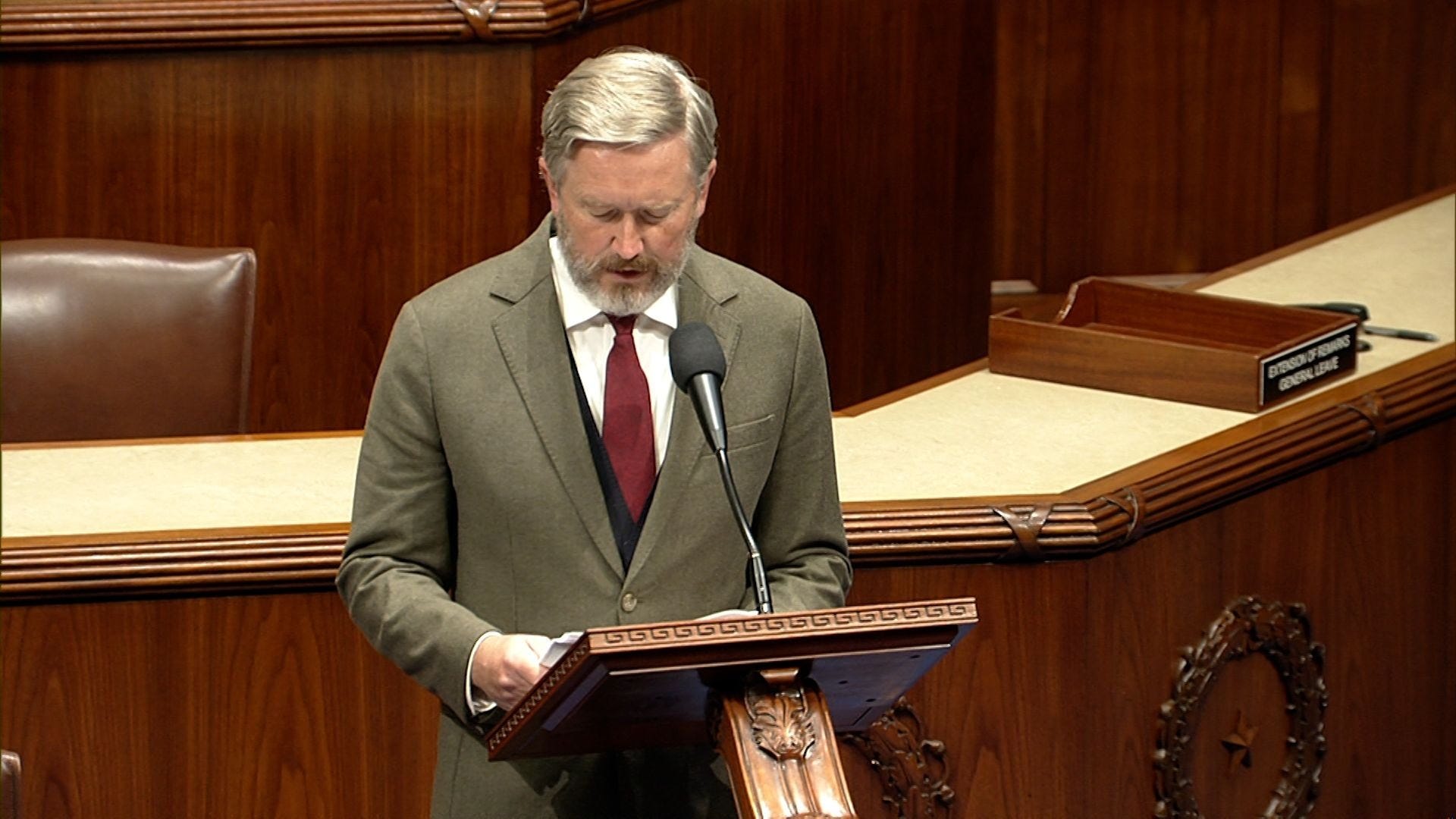
On September 15, Rep. Thomas Massie (R-KY) introduced Articles of Impeachment against Secretary of Defense Pete Hegseth on eight counts, including three involving violations of the 1973 War Powers Resolution. Massie’s charges assert that Hegseth failed to obtain necessary Congressional approval for the Iran war from its inception, ignored the Congressional directive H. Con. Res. 86 ordering a termination of hostilities against Iran, and failed to terminate unauthorized hostilities in line with the timelines laid out in the War Powers Resolution. Additional charges detail failure to comply with laws to minimize civilian casualties, involvement in unauthorized hostilities beyond Iran and retaliation to suppress the free speech of Sen. Mark Kelly (D-AZ).
Rep. Massie made clear that he was prepared to force a vote on the impeachment within 48 hours of introducing the articles of impeachment.
However, the following day, Speaker of the House Mike Johnson (R-LA) moved to adjourn the Congressional session, sending lawmakers home for a seven-week period until after the November midterm elections. The move directly prevented floor votes on both Hegseth’s impeachment as well as the release of more documents from the Jeffrey Epstein investigation. After Johnson made his decision, Massie took the House floor for an hour to criticize the Speaker and the rest of the Republican majority for showing cowardice with such important votes at stake.
In his response, Speaker Johnson attacked the impeachment articles as a “publicity stunt” by Massie, alleging that he was merely seeking attention before his congressional term ends in January. Some Democrats came to Massie’s defense, with Rep. Jayapal calling Speaker Johnson and President Trump “incredible cowards” for not even considering the possibility of a vote. Rep. Pete Aguilar (D-CA) decreed that “what Speaker Johnson is doing is abdicating his authority.”
While it is not unusual for a chamber of Congress to take an extended recess heading into an election season, the timing of the decision right after Massie’s announcement left many Democrats and Massie’s allies in the Republican party concerned with the rationale behind it. Rep. Ralph Norman (R-SC), another Republican congressmember who lost his primary, called the decision “unacceptable.” Speaker Johnson claims that the passage of a federal spending package earlier in the month avoided a government shutdown, and “it almost feels like a pointless exercise for us to continue sending and stacking legislation over there, when members could be in their districts campaigning in this very fateful moment.”
Ultimately, the impeachment efforts center on Secretary Hegseth’s responsibility for the conduct and continuation of the war with Iran. Under his leadership, the Pentagon has also faced scrutiny from both Congress and the public for failing to provide a full and accurate counting of U.S. service members who have been injured throughout the war this year, with hundreds of injuries initially omitted from its public tally. These concerns, alongside the war’s strategic failures, lack of legal authorization, and human costs have fueled crucial questions and pushback against the Secretary of Defense.
When the House of Representatives returns in November, Massie’s impeachment of Hegseth is likely to be on the agenda. While Republicans may close ranks around the bombastic and embattled Defense Secretary, the passage of recent war powers resolutions on Iran and Hegseth’s own controversial moves signal that there could be sufficient votes to impeach the Secretary in the House and bring Hegseth to trial in the Senate.
Senators Call for Investigation into Kuhestak Wedding Strike
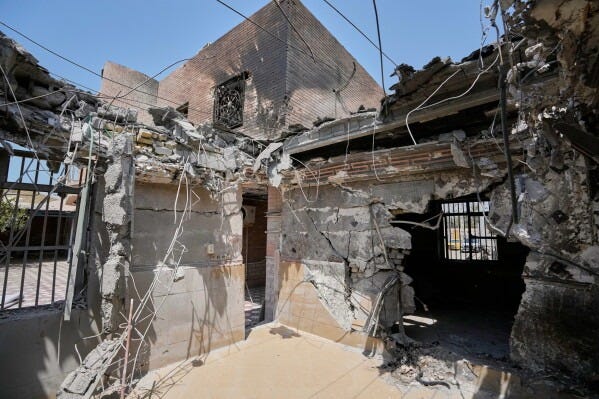
Six Democratic senators are calling for a full and impartial investigation into the September 1 U.S. strike on a home hosting a wedding in Kuhestak, Iran, which killed four civilians, including women and two children, and injured more than 60 others. Sens. Brian Schatz (D-HI), Patty Murray (D-WA), Jeanne Shaheen (D-NH), Jack Reed (D-RI), Mark Warner (D-VA), and Chris Coons (D-DE) issued a joint statement on September 18 calling for the incident to be fully investigated and for the findings to be made public.
The senators pointed to the February 28 strike on a girls’ elementary school in Minab, which killed as many as 175 people, including 120 children. They noted that months later, Congress and the public still have not received the full findings of the Pentagon’s investigation into the strike, leaving unanswered questions about what happened and what steps are being taken to prevent similar incidents.
The senators wrote: “The public deserves to know what led to these failures and what is being done to prevent similar incidents in the future. This war must end.”
This call is in line with NIAC’s calls in the wake of this horrifying loss of civilian life. Additional measures demanding accountability, calling for a release of the Minab investigation and answers on other war crimes will be forthcoming.
Rep. Khanna Introduces “Illegal War Refund Act”
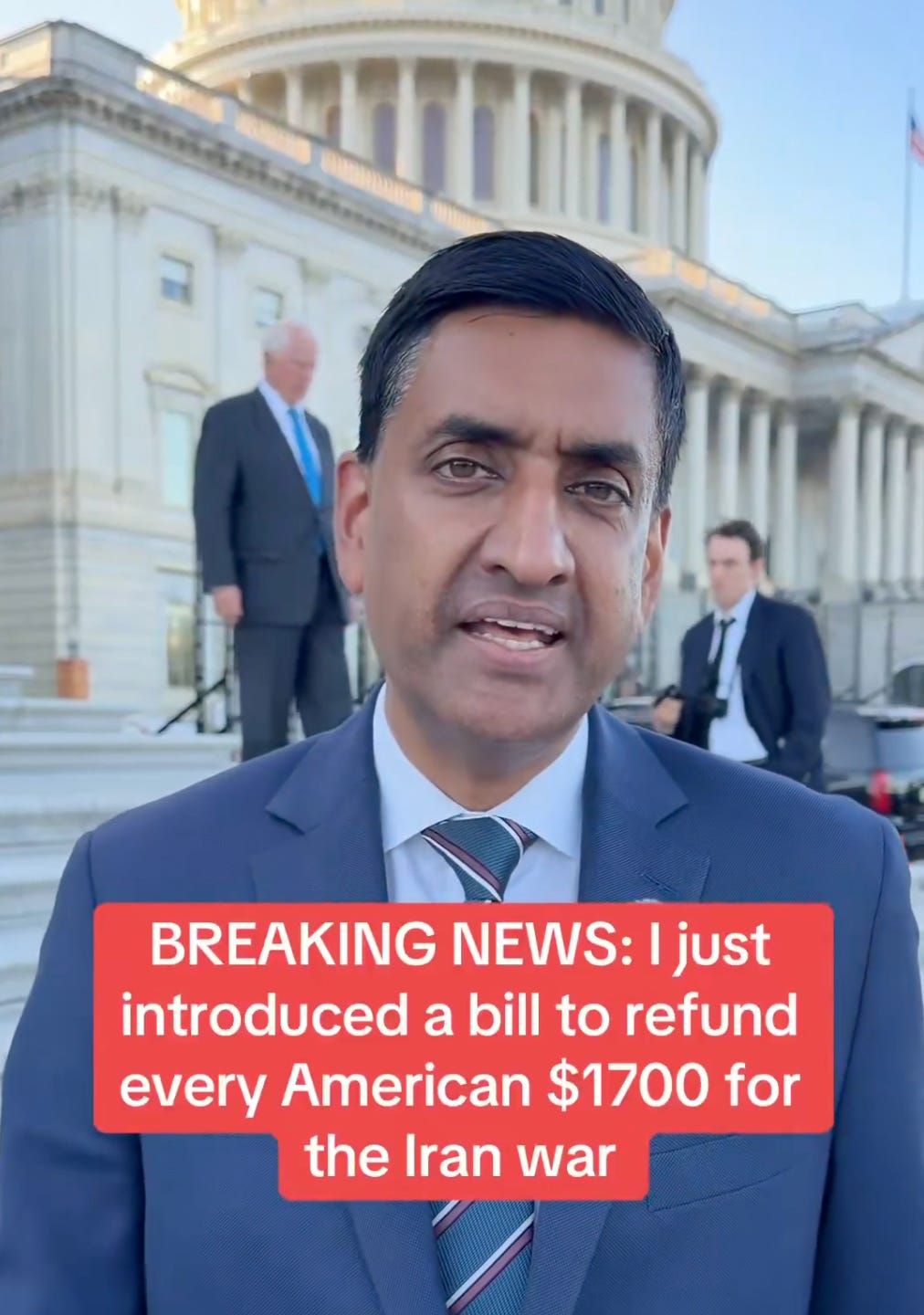
Rep. Ro Khanna (D-CA) introduced the Illegal War Refund Act on September 17, legislation that would require the federal government to calculate the economic costs of the war in Iran and return an equivalent amount to eligible U.S. taxpayers and their dependents. The bill would transfer an amount equal to those costs from Department of Defense funds to the Treasury Department for disbursement.
Khanna cited an estimate from Moody’s Analytics Chief Economist Mark Zandi that the war has cost Americans approximately $230 billion, or about $1,760 per household. The bill’s original cosponsors are Reps. Chuy García (D-IL), Bonnie Watson Coleman (D-NJ), Val Hoyle (D-OR), and Pramila Jayapal (D-WA). The legislation is a novel way to highlight the continuing economic costs of the war, which are extensive, and the lack of Congressional authorization for it.
Lindsey Graham Sanctions Bill Passes Both Chambers, Signed into Law by Trump
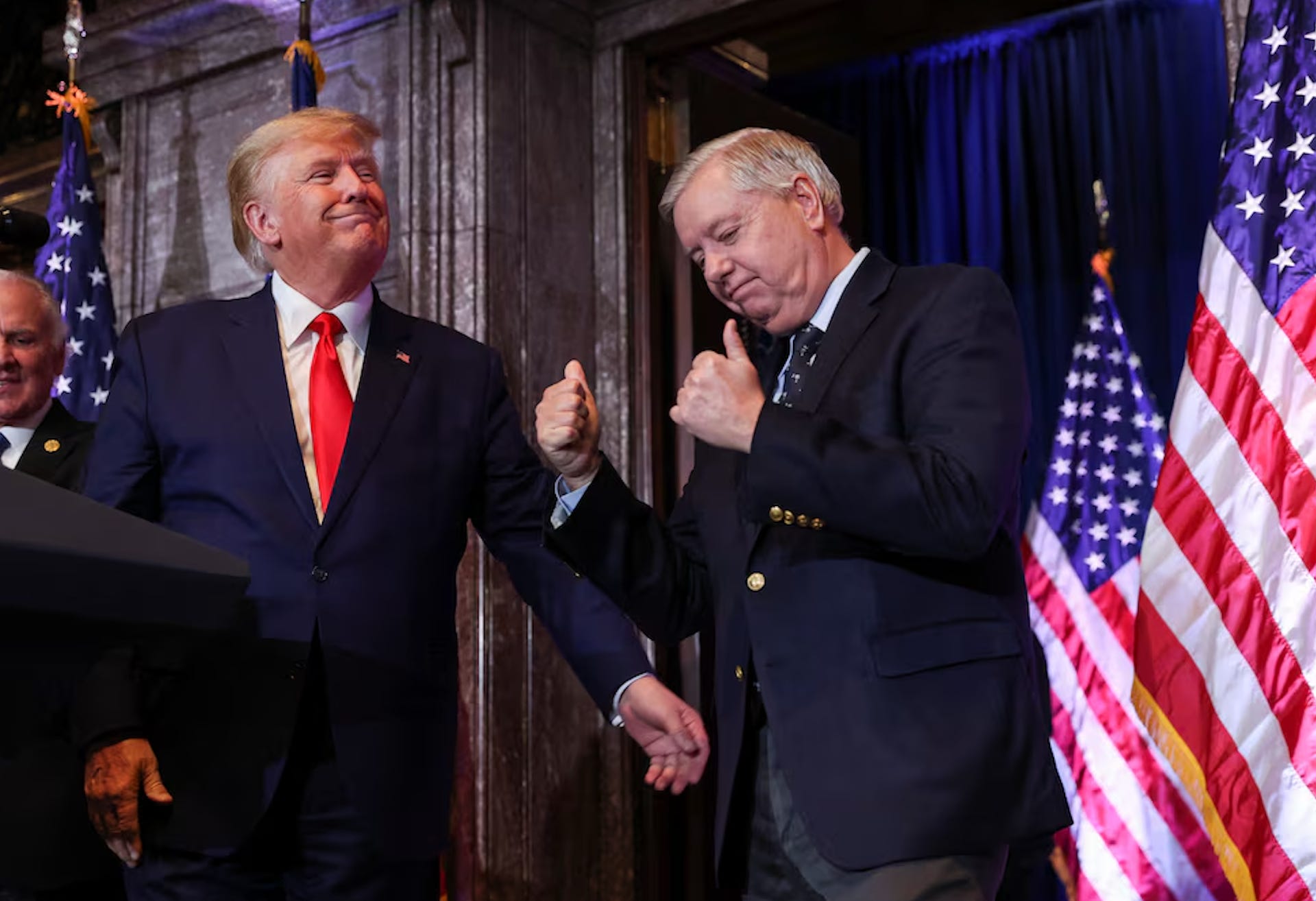
The Lindsey O. Graham Sanctioning Russia and Iran Act of 2026, passed both chambers of Congress and is now law. The Senate passed the bill 86–11 on August 7, with 36 Senate Democrats voting in favor. In the House, the bill passed 262–159 on September 16, with 58 Democrats voting in favor. President Trump signed the legislation into law on September 18.
The legislation originally focused on sanctions against Russia and was introduced by the late Sen. Lindsey Graham (R-SC). Following Graham’s death, President Trump urged Congress to add Iran sanctions provisions to the bill in his honor. The final legislation extends the Iran Sanctions Act of 1996 through December 31, 2031, keeping in place sanctions authorities targeting Iran’s energy and weapons sectors, while also creating additional sanctions authorities targeting Russia.
For Iran, the law comes as the administration is already carrying out an aggressive economic campaign. Since August 24, Treasury has suspended General Licenses F and G, affecting certain academic, educational, sports, and professional exchanges, while additional aviation-related authorizations were suspended on September 8. These measures are already having effects on ordinary Iranians and Iranian Americans, including access to educational and professional opportunities, financial services, and travel.
Extending sanctions authorities while the administration is simultaneously expanding its economic campaign also raises questions for the future of diplomacy. Sanctions are intended to provide leverage, but that leverage depends in part on the possibility of sanctions relief through negotiations. Continuing to expand and extend sanctions while economic pressure is already intensifying could make it harder to create the conditions for successful negotiations with Iran, and an end to the war.