

A series of coordinated letters issued by Iranian civil society organizations highlight growing domestic concern over the humanitarian consequences of the ongoing war involving Iran, the United States, and Israel. Addressed to major international legal, academic, and humanitarian institutions, as well as the United Nations Secretary-General, these communications - from the Iranian Association for Cultural Studies and Communications, the Komak Network and the Narges Foundation - reflect an organized and coordinated effort to draw global attention to the civilian impact of the conflict and to advocate for urgent international engagement.
These organizations note that the escalation began when Iran was subjected to extensive and coordinated military attacks despite ongoing diplomatic negotiations between Iran and the United States. The organizations portray the shift from diplomacy to military confrontation as a significant breakdown in international law, conflict resolution efforts and a setback for peaceful engagement.
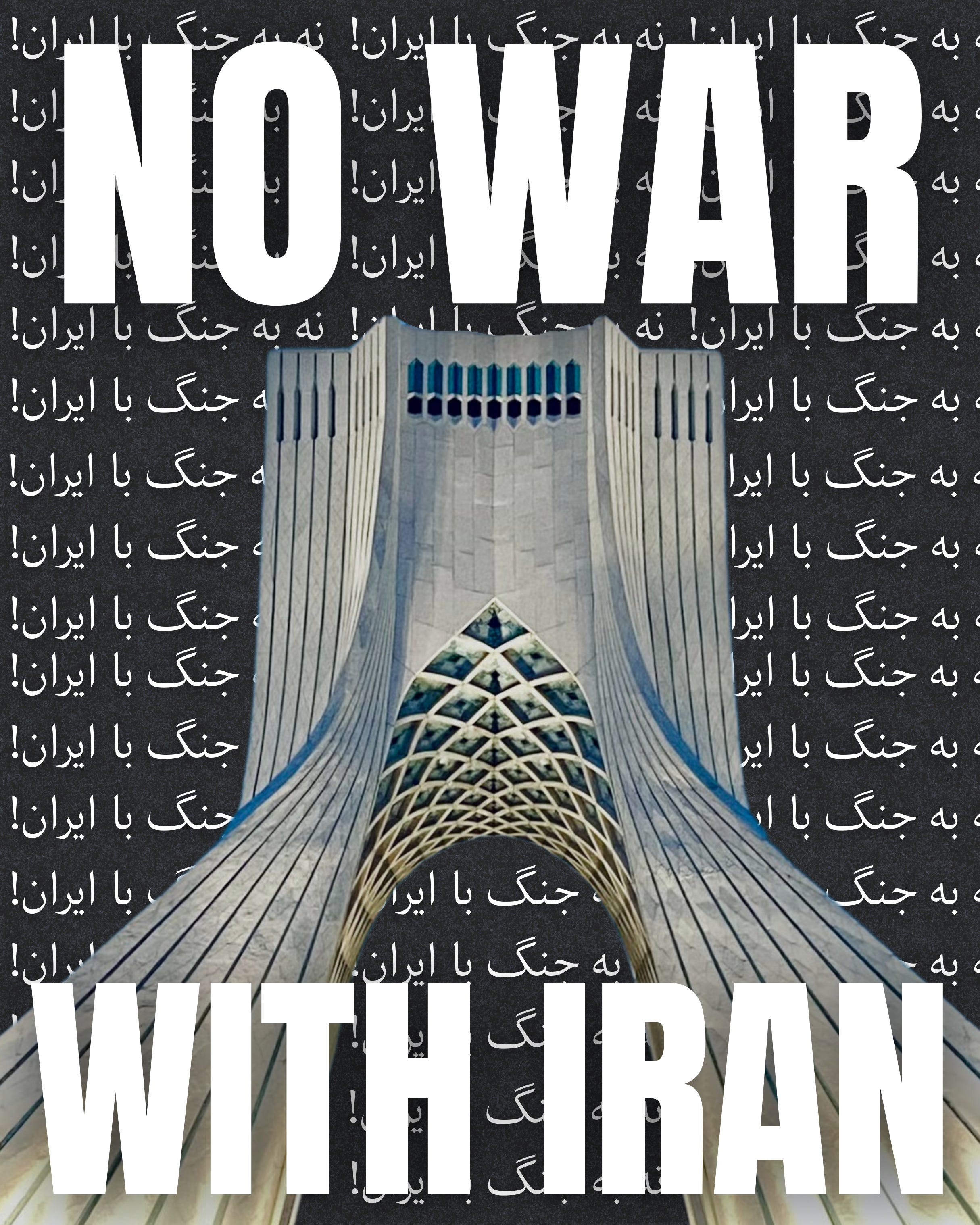
The letters place particular emphasis on the humanitarian consequences of the war, reporting that thousands of civilians - including children, women, and other vulnerable populations - have been killed. They describe widespread damage to civilian infrastructure, including schools, hospitals, welfare institutions, pharmaceutical facilities, and media infrastructure. The strike on the Minab primary school, which reportedly resulted in the deaths of more than 165 students and teachers, is highlighted as a particularly devastating incident that underscores the need for accountability and international investigation. Additional accounts provided by civil society networks point to the scale of destruction across the country, indicating that tens of thousands of civilian locations have been affected, with significant damage to medical centers, schools, and humanitarian facilities.
From a legal perspective, these communications frame the conflict in terms of potential violations of international law, including the United Nations Charter, international human rights law, and international humanitarian law. Particular concern is raised regarding the targeting of civilian and humanitarian infrastructure, which may violate the principles of distinction and proportionality and could constitute grounds for independent international inquiry.
Beyond the immediate humanitarian toll, the letters describe broader societal impacts within Iran. Major cities, including Tehran and Isfahan, are portrayed as living under continuous threat, with daily life disrupted by insecurity, fear, and damage to essential infrastructure. The conflict is presented not only as a military confrontation but as a comprehensive societal crisis affecting economic systems, public services, and cultural heritage.
The Komak Network issued a direct appeal to global peace and social justice organizations and networks to:
“Raise widespread awareness regarding the humanitarian, legal, and environmental dimensions of these attacks.
Call for independent international investigations into attacks against civilians, particularly the Minab school tragedy, and ensure the findings are widely reported.
Support civil institutions and human rights defenders in Iran through humanitarian ties and collaborative efforts.
Urge governments and international bodies to strictly observe the principle of distinction between military and civilian targets, proportionality in the use of force, and the necessity of accountability.
Renew their global commitment to sustainable peace based on the cessation of hostilities, justice, human dignity, and opposition to the logic of war and violence, while actively helping to expedite the end of this aggression.”
Likewise, the Iranian Association for Cultural Studies and Communications stated: “In light of these grave violations and the ongoing humanitarian crisis, Iran’s major cities, including Tehran and Isfahan, remain under continuous threat. Fear, insecurity, and disruption of daily life have become part of a calculated strategy to spread terror. In addition to the human tragedy, these attacks have gravely damaged the country’s vital infrastructure, industries, banks, and even cultural heritage sites. The Iranian Association for Cultural Studies and Communications calls upon your association to extend its support and solidarity to the people of Iran in the face of the unjust aggression launched by Israel and the United States of America against Iranian territory.”
Likewise, the letter issued by the Narges Foundation was signed by 80 prominent figures, calling for an immediate ceasefire, an investigation of war crimes and a supervised transition to democracy, while noting that Narges Mohammadi - Nobel Peace Prize laureate - remains imprisoned and at significant risk. The signatories call for “An immediate cessation of hostilities by all parties including the United States, Israel, and Islamic Republic of Iran in order to prevent further civilian casualties and avert a wider regional escalation. Crucially, the international community must uphold Iran’s territorial integrity and prevent any foreign invasion or intervention.” On rights violations, the signatories call for “The immediate establishment of an independent international commission of inquiry, under the auspices of the United Nations, to investigate alleged ‘war crimes’ by United States, Israel and Islamic Republic and ‘Crimes Against Humanity’ by the Islamic Republic for massacre of protestors in January to ensure accountability in accordance with international law.”
A notable dimension of these appeals is the emphasis on the role of civil society. Iranian activists, volunteers, and non-governmental organizations report that they are actively documenting the consequences of the conflict to preserve evidence and promote accountability. However, they stress that these efforts require international support to ensure that violations are properly investigated and addressed.
The letters collectively call on international organizations and global civil society to take a more active role. Key recommendations include raising global awareness, supporting independent investigations into attacks on civilians, strengthening engagement with Iranian civil institutions, and ensuring adherence to international humanitarian law by all parties. They also call for renewed diplomatic efforts, de-escalation, and an immediate cessation of hostilities.
At their core, these coordinated appeals seek to reframe the conflict through a civilian-centered lens, emphasizing the human cost of war and the urgency of protecting non-combatants. By mobilizing international legal, academic, and civil society networks, Iranian civil actors are attempting to elevate the humanitarian dimension of the conflict and press for a global response grounded in accountability, international law, and the pursuit of peace.