

Despite a sharp escalation on the ground following the U.S. naval blockade of Iranian ports and shipping routes, emerging signals from both Tehran and Washington suggest that neither side has abandoned diplomacy. Instead, a fragile but active effort continues to lay the groundwork for a return to negotiations, even as military and economic pressure continues.
According to multiple reports, both Iran and the United States are preparing for a possible new round of talks in Islamabad within days, although no final date has been confirmed. Pakistani officials remain in contact with both sides, and sources indicate that delegations have kept the coming weekend open, signaling readiness to resume dialogue.
.jpg)
This renewed diplomatic momentum comes in the immediate aftermath of a significant escalation: the United States’ targeted naval blockade of Iran’s coastline and shipping through the Strait of Hormuz. U.S. officials have stated that vessels linked to Iranian ports would be prevented from transiting the strait, effectively tightening economic pressure. However, maritime tracking data indicates that several sanctioned or Iran-linked vessels have continued to move through the Strait, raising questions about the enforcement and effectiveness of the blockade.
At the same time, the negotiation gap between the two sides remains substantial. During the recent Islamabad talks, reports indicate the United States reportedly proposed a 20-year suspension of uranium enrichment, alongside demands for the removal of highly enriched uranium from Iranian territory. Iranian negotiators, however, countered with a shorter, single-digit suspension period and suggested a monitored dilution process instead of removal. These differences underscore the central sticking point: Washington’s insistence on long-term nuclear rollback versus Tehran’s demand for limited, reversible constraints.
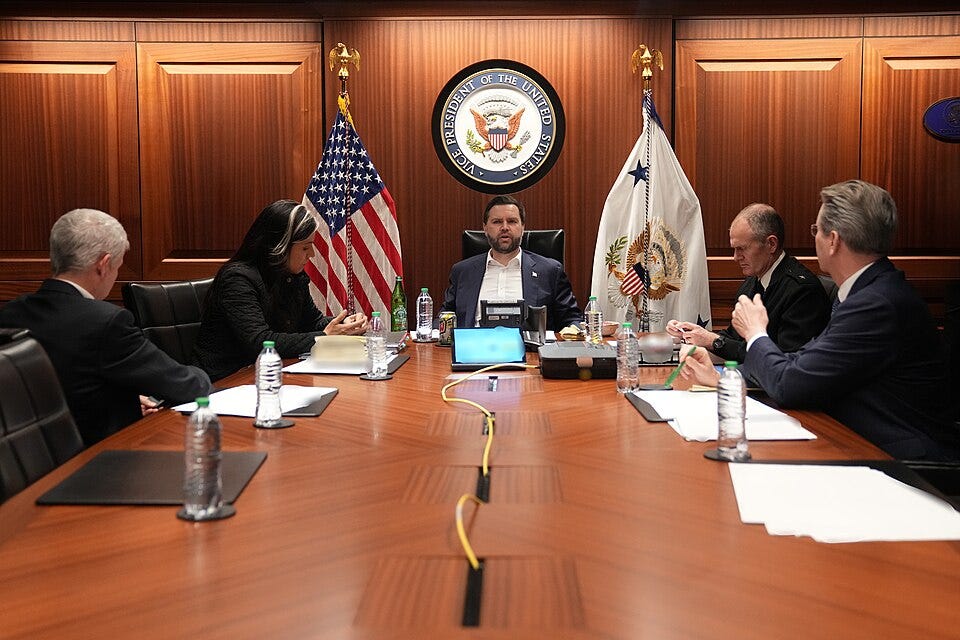
Despite these disagreements, there are indications that both sides believed progress was possible. Iranian representatives reportedly thought they were close to an initial agreement before being surprised by public remarks from U.S. officials, which caused frustration in Tehran. Still, statements from U.S. Vice President JD Vance describing the talks as having achieved “some progress” suggests that channels of communication remain open and politically meaningful.
Economic indicators further reinforce this dual-track dynamic of pressure and diplomacy. Oil prices, which initially surged above $100 per barrel following the announcement of the blockade, declined by over 2 percent amid renewed expectations of negotiations, reflecting market belief that escalation may be contained. Asian stock markets also responded positively, signaling broader global sensitivity to the diplomatic trajectory of the conflict.
Regionally and internationally, there is growing pressure to sustain the ceasefire and return to talks. UN Secretary-General António Guterres warned that there is “no military solution” to the conflict, calling for an immediate resumption of negotiations and respect for freedom of navigation under international law. Similarly, China has criticized the U.S. blockade as “dangerous and irresponsible,” warning that it risks undermining the fragile ceasefire and threatening maritime security.
At the same time, Iran is expanding its negotiating agenda beyond the nuclear issue. Iranian officials have emphasized that war reparations—estimated at approximately $270 billion in total damages—are now part of their demands, and have formally raised claims at the United Nations against several regional states. This adds another layer of complexity to already difficult negotiations.
Public messaging from both sides also reflects a cautious openness to diplomacy. President Donald Trump stated that Iran has reached out and “wants to make a deal,” while Iranian officials continue to signal conditional willingness to engage, provided their core demands are addressed.
Beyond the immediate military and diplomatic developments, the U.S. blockade can also be understood as an attempt to reshape leverage at the negotiating table. By imposing a potential constraint on Iran’s maritime access and commercial flows, Washington appears to be creating a new bargaining “card” on the status of the Strait of Hormuz itself, one of the world’s most critical energy chokepoints, that can be traded in future talks. Control over maritime access is therefore emerging as a central instrument of pressure and negotiation.
From a domestic political perspective, this strategy also carries internal messaging value for the Trump administration. The blockade creates a narrative framework in which Washington can claim that increased pressure forced Iran to concede in negotiations. In this sense, the blockade functions not only as external leverage but also as a tool for shaping domestic perceptions of strength and success.
Taken together, current developments illustrate a paradoxical moment: intensified military and economic pressure coexisting with active diplomatic preparation. While the blockade of Iranian ports represents a significant escalation, it has not closed the door to negotiations. Instead, it appears to be part of a broader strategy in which both sides are testing leverage while simultaneously keeping diplomatic options alive. The coming days, particularly any confirmed meeting in Islamabad, will be critical in determining whether this fragile balance can shift toward a negotiated outcome or whether unresolved gaps will push the conflict back toward full-blown war.